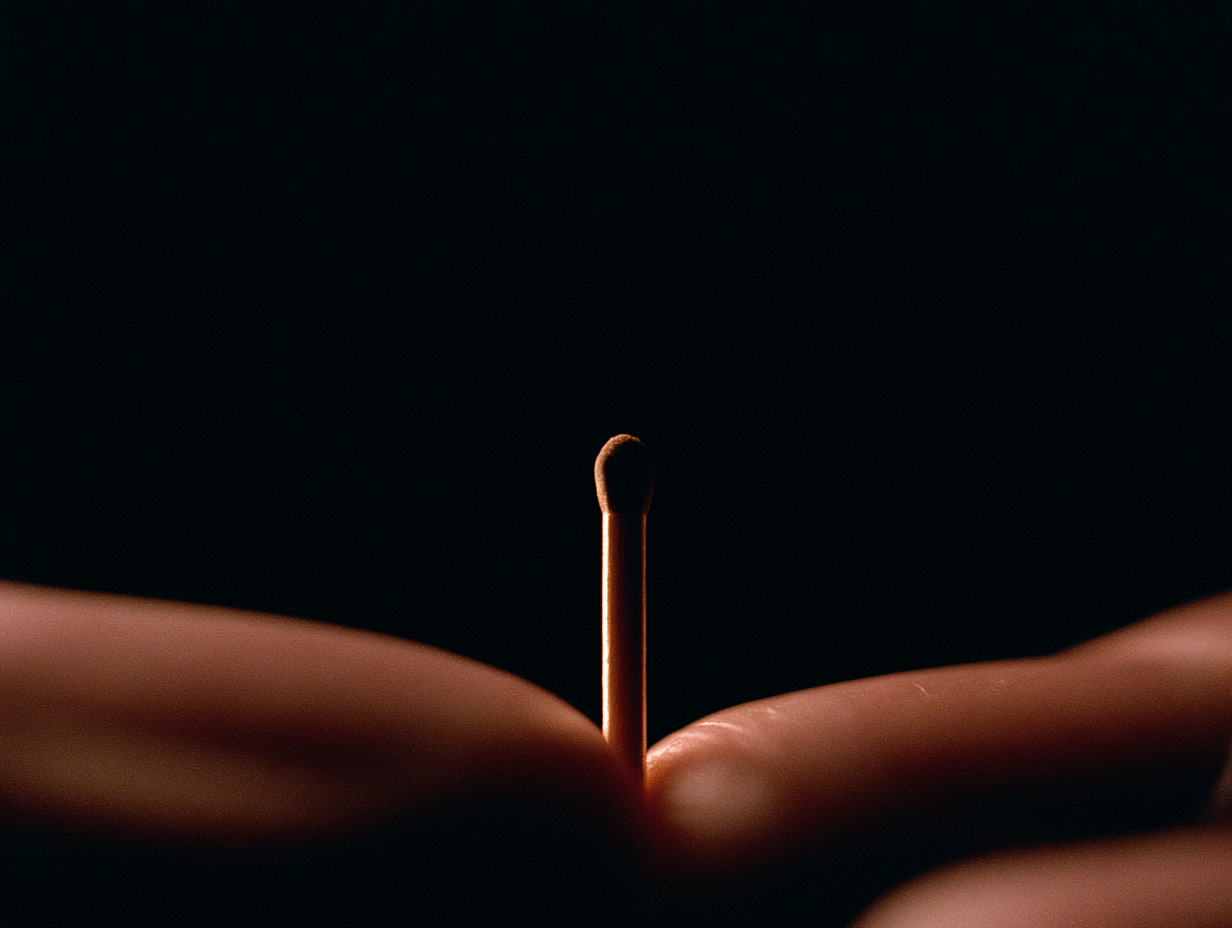
Certainty looks like restraint. A single weight of type held across a global system. A photograph cropped past where most designers would stop. A page that refuses to fill itself. Material chosen once, then trusted. These are not aesthetic preferences. They are decisions made under pressure and held.
The mistake most brands make is treating restraint as a style. It isn't. Restraint is a posture. The brands that achieve it are not editing their way toward elegance at the end. They decided what they were and refused to dilute it.
This is why restraint cannot be retrofitted. A brand that begins crowded will stay crowded, even after redesigns. The noise was never in the layout. It was in the decision-making.
There is a tell. Crowded brands explain themselves. They add taglines to support logos, descriptors to support taglines, illustrations to support descriptors. Each addition is a quiet admission that the previous element didn't hold. A confident brand does not explain. It states, and it moves on.
The discipline shows up in places clients rarely notice. The grid that doesn't break for a single campaign. The photographer brief that names what will not be shown. The typographic system that refuses a second display face even when the new product “needs its own feeling.” Every one of those decisions feels small. Together they compound into something a competitor cannot copy by hiring better designers.
Restraint is also operational. A system with fewer rules is a system more people can hold. The fewer the variables, the more consistently a brand reads across a hundred touchpoints and a dozen vendors. Taste and infrastructure are the same discipline. The brand that feels the most considered is, almost always, the brand that has removed the most decisions from the team executing it.
Premium is not more.
It is more precise.
The brands that understand this are rarely the ones spending the most. They are the ones spending with the most conviction. On fewer photographs, fewer fonts, fewer words, fewer formats. They have decided what they are, and they have built a system that protects that decision from everyone, including themselves, on the days they are tempted to add.
That work looks like a brief that names what will not be photographed. A single display face held for five years. A grid that does not break for a limited edition. Small decisions, made once, that prevent a hundred future arguments before they start.